Getting your home ready for winter: a checklist per part of the house
Updated: 31 October 2026
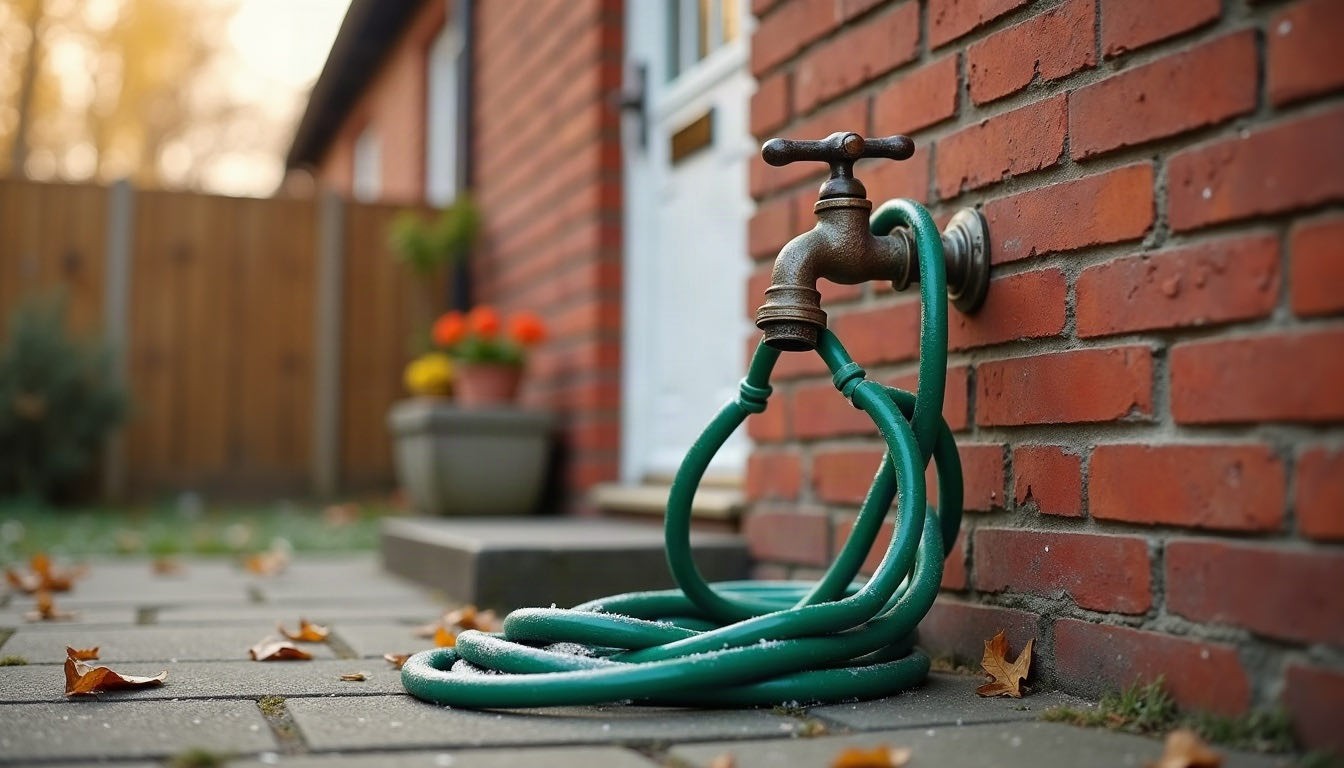
The first night frost always comes a little earlier than you expect. The outdoor tap is still on, the gutter is full of leaves, and the heating cuts out on the first cold morning. Setting aside an afternoon in October or November prevents most of that. Below are the jobs per part of the house, what you can do yourself and when you need a professional.
Winters across Europe differ a lot, and so do the rules. Where a country has a legal requirement, check your national or regional rules; this checklist covers what applies almost everywhere.
1. Heating
The heating works hardest in winter, so start there.
- Boiler service. The manual says how often your boiler needs servicing; for many modern boilers it is once every one or two years. The Dutch energy advice centre Milieu Centraal, for example, says once every two years is enough for modern boilers, in consultation with your installer, and yearly for older ones. In some countries it is a legal duty: in France every year, according to the French government, in Flanders every two years for gas boilers of 20 kW and above and every year for oil, according to the Flemish government. Book it before the heating season, because engineers are fully booked in winter.
- Bleed the radiators. If you hear ticking or gurgling, or radiators stay cold at the top, there is air in the system. Turn the heating off, let the radiators cool and open the valve until water comes out.
- Check the pressure. Bleeding lowers the pressure. On a cold system it is usually somewhere between 1.5 and 2 bar; the right value is in the manual. How to top it up: topping up your boiler pressure.
- Heat pump? Have it checked as the manufacturer advises and clean the filters. Keep the outdoor unit free of leaves and snow.
2. Water: outdoor tap and pipes
A frozen pipe can split, and you only notice when it thaws. That is when the real water damage happens.
- Drain the outdoor tap. Before the first night frost: close the isolating valve inside, open the outdoor tap and let the pipe drain. Leave it open all winter and store the hose somewhere frost-free. A frost-proof tap does not need this.
- Pipes in cold spaces. Pipes in a shed, garage, crawl space or unheated loft freeze first. Fit pipe insulation, or shut off and drain a pipe you do not use in winter.
- Know where the main stopcock is. If a pipe bursts anyway, that is the first valve to close. Make sure everyone at home knows where it is, and that it is not stuck: close it once and open it again.
3. Roof and gutters
- Clear the gutters. Once the trees are bare, scoop out the leaves, starting at the downpipe. Then pour a bucket of water in: if it drains freely, you are done. Do not work on a ladder alone.
- Look at the roof. From the ground you can often spot slipped or broken tiles. Have them replaced before the storms; going up on the roof yourself is best left to a roofer.
- Chimney. If you use an open fire or wood stove, fire services generally advise having the chimney swept at least once a year by a professional. Ask for a certificate: some home insurers ask for it, and in Germany and Austria the chimney sweep’s inspections are a legal requirement.
4. Draughts and ventilation
Sealing draughts saves on heating, but ventilation is something else, and it has to stay.
- Find the gaps. Run a damp hand along window frames, doors and the letterbox. Where you feel cold air, there is a draught. Fit draught strips that match the size of the gap.
- Keep the vents open. Even when it is cold. A household adds litres of moisture to the air every day by showering, cooking and breathing. Close the vents and that moisture stays inside, with condensation on the windows and eventually mould.
- Mechanical ventilation. Clean the vents and replace the filters as the manual says. A clogged filter moves less air.
5. Safety
In winter the heating, the fire and the Christmas lights are all on at once. A good moment to go over safety.
- Test the smoke alarms. Press the test button, vacuum the alarm and replace the battery if it chirps. Smoke alarms are required in many European countries; more in smoke alarm beeping.
- Carbon monoxide alarm. Fire services, such as those cited by the Dutch health institute RIVM, advise a CO alarm in every room with a fuel-burning appliance, such as a boiler, gas water heater or wood stove, and in some countries it is required. Look for the EN 50291 standard. An alarm does not replace servicing, but warns you if something goes wrong.
- Christmas lights. Throw away damaged cables, do not plug extension blocks into each other, and switch the lights off when you go to bed or leave the house.
6. Garden, balcony and garage
- Garden furniture and cushions: store or cover them, and secure loose items before the autumn storms.
- Potted plants. Olive, citrus and oleander do not all handle the same frost. When they come in and how often to water them then is in overwintering plants.
- Pruning. Apple, pear and most deciduous trees are pruned in the dormant season, roughly November to March, but not when it is freezing. Stone fruit such as plum and cherry is pruned in summer instead.
- The car. Check the tyre pressure, and switch to winter tyres if you use them or your country requires them in winter conditions. If the roadworthiness test is due in winter, book it in time; see when is your car’s inspection due.
In which order?
Not everything has to happen in one day. A practical order:
| When | What |
|---|---|
| September–October | Book the boiler service and chimney sweep, seal draughts |
| Start of the heating season | Bleed radiators, check pressure, test smoke alarms |
| Before the first night frost | Drain the outdoor tap, protect pipes, bring plants in |
| Once the leaves have fallen | Clear the gutters, store garden furniture |
| November–March | Prune on frost-free days |
For the rest of the year there is our home maintenance schedule.
How Domeaz helps
In Domeaz you plan these jobs as maintenance with a fixed season: every year in the same month, even if you were late once. The outdoor tap in October, the gutters in November, the boiler service every two years. You get a reminder in advance and see who at home is taking care of it. Tap “Done” and you can note what it cost; that goes into your cost overview.
Put the location of the main stopcock and the right boiler pressure in the house info, so everyone at home can find them. And with the garden turned on, you get a frost warning for your outdoor plants.
Domeaz is free to start and has no ads. Discover Domeaz.
Frequently asked questions
- What should I do to get my home ready for winter?
- The main jobs: have the heating checked and bleed the radiators, drain the outdoor tap and protect pipes in cold spaces, clear the gutters, seal draughts without blocking ventilation, test the smoke alarms, and tidy up the garden and outdoor furniture.
- When should I turn off the outdoor tap?
- Before the first night frost. Close the isolating valve inside, open the outdoor tap so the pipe drains, and leave it open all winter. A frost-proof outdoor tap does not need draining.
- How often should a boiler be serviced?
- It depends on the boiler and the country. The manual gives the interval. In some countries servicing is a legal requirement, for example yearly in France, and every two years for gas boilers of 20 kW and above in Flanders; elsewhere it is strongly recommended.
- How often should a chimney be swept?
- If you use an open fire or wood stove, fire services generally advise at least once a year, by a professional. Ask for a certificate: some home insurers ask for it, and in some countries sweeping is a legal requirement.
- Should I close the air vents in winter?
- No. Ventilation is not a draught. Seal the gaps around windows and doors, but keep the vents open, or moisture stays inside and you get condensation and mould.
Sources
This article was written with the help of AI and checked by the Domeaz team. The sources are in the text. Spotted a mistake? Email hello@domeaz.app.