How often to sweep a chimney: wood stove, fireplace, pellets
Updated: 2 November 2026
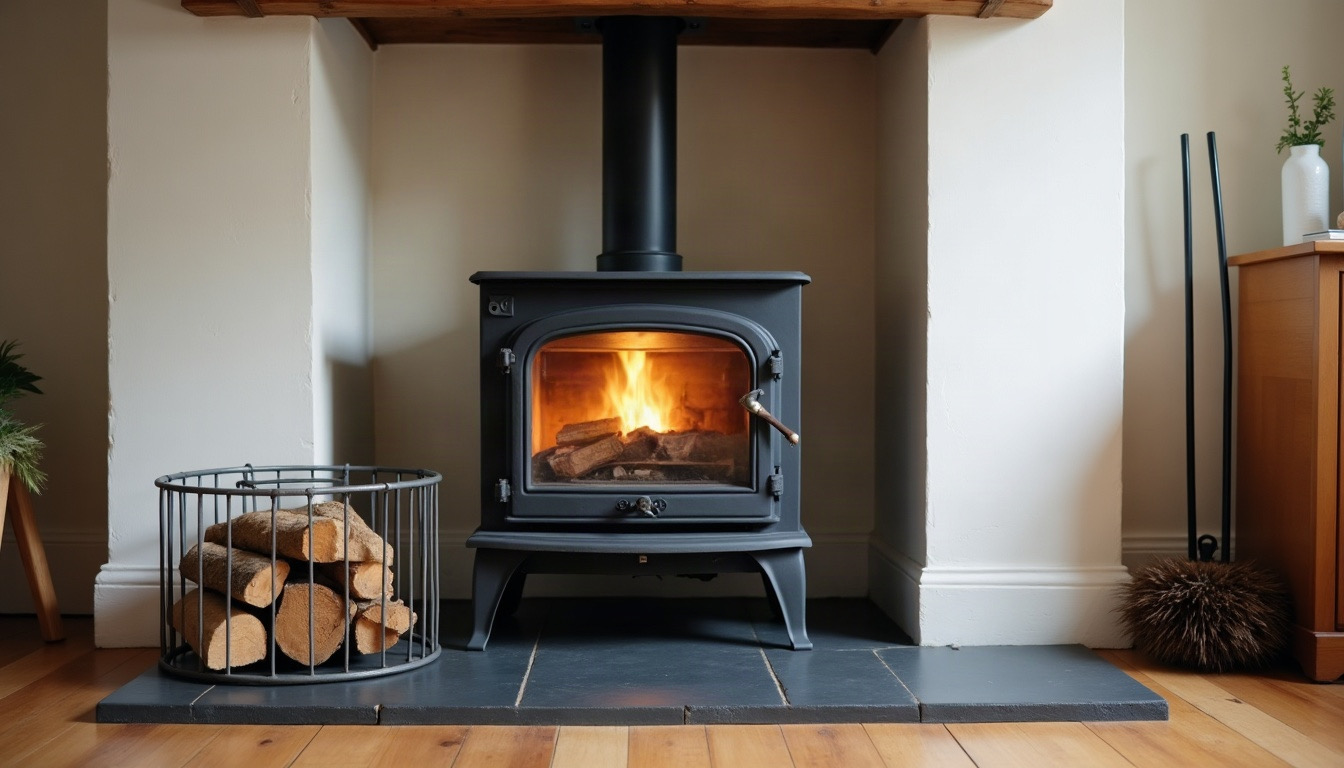
Once the weather turns cold, the wood stove goes back on. The question of when the chimney was last swept usually comes later, when the fire draws badly or the room smells of smoke. Yet it is one of the most important jobs for anyone who burns wood or pellets. This article covers how often, why, how a wood stove, open fire and pellet stove differ, and what your insurer thinks. Rules differ per country; the advice below comes from Dutch and Belgian fire safety bodies and insurers, and we say where it is specific to one country.
How often?
The advice is clear: at least once a year. The Dutch fire service, the Dutch Association of Insurers and Belgian Civil Protection all say so.
If you burn a lot, more often. According to the Dutch Association of Insurers, the flue needs sweeping more often if you light the stove three to four times a week. The Dutch fire service puts it differently: how often exactly depends on how you use it, so agree on it with your sweep.
| What you burn | Advice |
|---|---|
| Wood stove or open fire, now and then | at least once a year |
| Wood stove, three to four times a week or more | more than once a year, in agreement with the sweep |
| Pellet stove | at least once a year, plus the stove itself according to the manual |
| Gas boiler or gas fire | have the flue checked when the appliance is serviced |
A good moment is at the end of the heating season or just before it, so the chimney is clean when you need it.
Why it matters
Chimney fire. Burning wood, coal or pellets leaves soot on the inside of the chimney. Over time it bakes into creosote, a tar-like layer that is highly flammable. According to Belgian Civil Protection, creosote can ignite at around 500 °C, a temperature a stove or open fire easily reaches. If that layer catches fire, you have a chimney fire. In the worst case it spreads to the rest of the house, the Dutch Association of Insurers writes.
Carbon monoxide. A dirty or blocked chimney draws badly. Smoke can then come back into the room, and with it carbon monoxide (CO), which you cannot see or smell. The Dutch fire service therefore advises a CO alarm on the ceiling near the stove or fireplace. Exactly where it should go is in replacing smoke alarms and where CO alarms go.
From outside. Bird nests, leaves and climbing plants can also block a chimney. A cowl with mesh keeps nests out, say the Dutch Association of Insurers and Belgian Civil Protection.
Wood stove, open fire and pellet stove
Wood stove. Burn only clean, dry wood. Wet or rotten wood produces more creosote, and so does slumbering the fire: turning the air supply down so it burns low and long. The wood then burns incompletely, says the Dutch fire service. Do not burn painted or treated wood, demolition wood, chipboard or cardboard either.
Open fire. Creosote actually forms faster with occasional use, the Dutch Association of Insurers writes, just as it does in a cold flue, such as when you light the fire. Only lighting the fire at Christmas is no reason to skip sweeping.
Pellet stove. A pellet stove is more efficient and its flue gases are cooler. That leads some people to think the flue needs less attention. According to the Dutch Association of Insurers that is a wrong assumption: creosote and chimney fires are still possible, and the same requirements apply. Clean the stove itself, with its burn pot and ash pan, according to the manual.
Gas. A gas appliance produces much less soot. Belgian Civil Protection advises having the chimney checked during the appliance’s regular service. In the Netherlands the fire service advises having heating appliances checked yearly by a certified professional.
Who sweeps, and what to ask for
Have it done by a professional. In the Netherlands, the fire service recommends a sweep who belongs to the national sweeps’ association ASPB; elsewhere, ask your fire service or insurer which qualifications to look for. Have the sweep check for cracks and leaks at the same time, Belgian Civil Protection advises.
Ask for proof. Belgian Civil Protection advises always asking for a certificate. Keep it, or the sweep’s invoice, with your house papers.
What does your insurer think?
Whether sweeping is a legal duty differs per country. In the Netherlands it is not a legal requirement, but insurers do expect you to look after your home. The Dutch insurer Univé, for example, writes that fire damage from a poorly maintained chimney is not always covered. What your insurer asks for is in your policy conditions; check them or give them a call.
In Belgium, according to Belgian Civil Protection, regular sweeping can be required by your fire insurance policy or by a municipal regulation. In Flanders, cleaning and checking the chimney is part of the mandatory maintenance of a central heating boiler; for a central boiler on wood or pellets that maintenance is required every year. Separate stoves and fireplaces fall under other rules.
In a chimney fire
According to Belgian Civil Protection, you recognise a chimney fire by a roaring sound in the flue, an unusually hot flue, a strong smell of soot, lots of black smoke and sometimes sparks or flames from the top of the chimney. The Dutch fire service says:
- Call the emergency number (112 across the EU).
- Never use water. Water turns into steam, which can crack the chimney or even make it explode. Put out the fire in the stove with sand or salt.
- Close the chimney damper and the stove’s air supply, or the doors of the fireplace.
- Ventilate once it is out, because carbon monoxide may have formed.
Have a professional check the chimney before you use it again.
How Domeaz helps
Add your wood or pellet stove to Domeaz as one of your appliances, with brand, model, the manual and the date it was fitted. Plan “Have the chimney swept” as recurring maintenance with a fixed season, for example every year in September. You get a reminder by push notification and email in advance. Add your chimney sweep to your contacts and link them to the task, so you can call them in two taps.
Tap “Done” and note what the sweep cost; your cost overview then shows what the stove costs you each year. Attach the certificate or invoice to the stove, so you can find it if your insurer asks.
More jobs for the heating season are in getting your home ready for winter, and the rest of the year in our home maintenance schedule.
The free version of Domeaz is fully usable, with no ads and no trial period. Discover Domeaz.
Frequently asked questions
- How often should a chimney be swept?
- At least once a year. That is the advice of the Dutch fire service, the Dutch Association of Insurers and Belgian Civil Protection. If you burn three to four times a week, the Dutch Association of Insurers says more often.
- Does a pellet stove chimney need sweeping too?
- Yes. The Dutch Association of Insurers points out that creosote and chimney fires are also possible in the flue of a pellet stove, so the same applies: at least once a year. Clean the stove itself according to the manual.
- Is chimney sweeping a legal requirement?
- It depends on the country. In the Netherlands it is not a legal duty, but insurers expect you to maintain your chimney; a Dutch insurer like Univé says fire damage from a poorly maintained chimney is not always covered. In Belgium regular sweeping can be required by your fire insurance policy or a municipal regulation. Check the rules in your own country.
- What do you do in a chimney fire?
- Call the emergency number (112 across the EU). Never use water: it turns into steam, which can crack the chimney or even make it explode. Close the chimney damper and the stove's air supply, or the doors of the fireplace. Ventilate once the fire is out, because carbon monoxide may have formed.
- Should I keep proof of sweeping?
- Yes. Belgian Civil Protection advises always asking for a certificate, and the sweep's invoice is the easiest proof if your insurer asks after a fire how you maintained the chimney.
Sources
- Dutch fire service: chimney fire
- Dutch fire service: carbon monoxide
- Dutch Association of Insurers: prevention brochure on chimneys (2020, Dutch)
- Belgian Civil Protection: chimney fire leaflet (Dutch)
- Flemish government: mandatory boiler maintenance
- Univé (Dutch insurer): chimney sweeping, an insurer's example
This article was written with the help of AI and checked by the Domeaz team. The sources are in the text. Spotted a mistake? Email hello@domeaz.app.